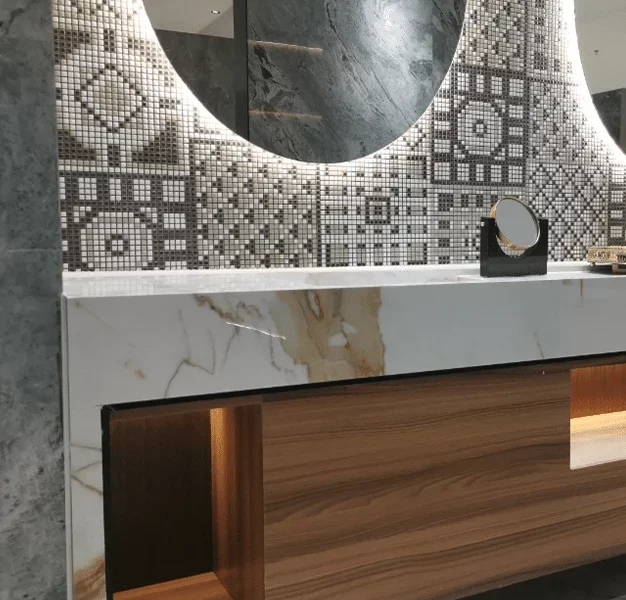


Quartz
Quartz vs Granite
Description
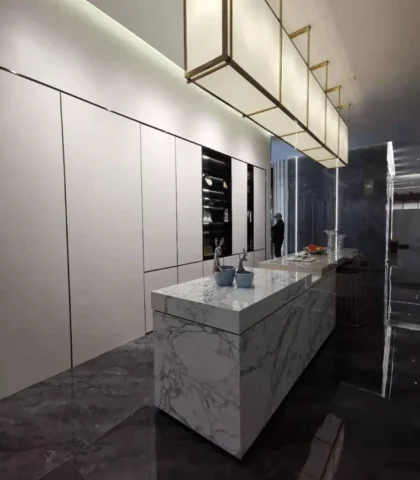
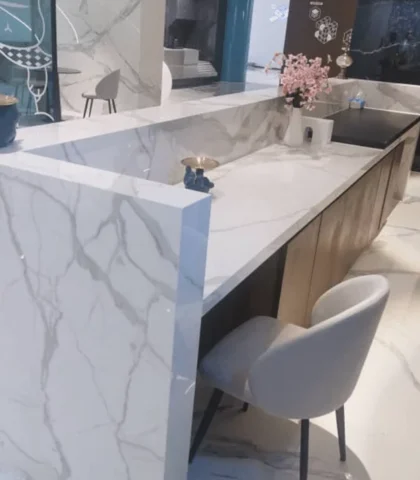
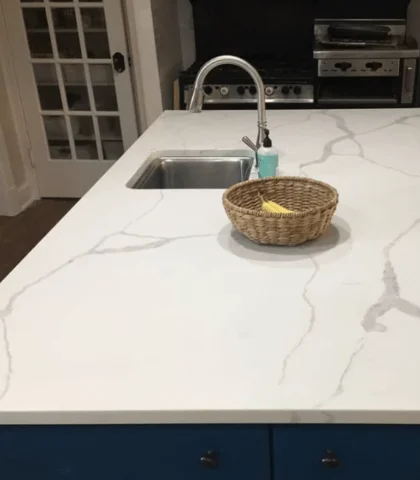
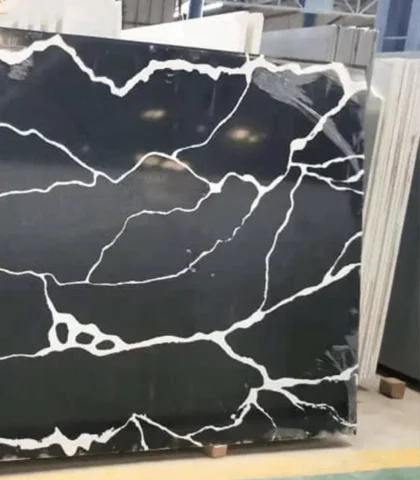
CIDG Egypt supplies both materials, so we can give you a clear, balanced look at quartz vs granite as building surfaces. Quartz is an engineered stone, made from roughly 90% ground natural quartz combined with resin, while granite is a 100% natural stone cut from the quarry. The difference shapes everything from how each one is made and finished to how it performs on porosity, maintenance and appearance. This guide compares the two materials in general, beyond any single application, so you can decide which suits your project.
Talk to our stone team: Get a free quote on WhatsApp | Get a quote within 24 hours | Request a free sample
Quartz vs granite: engineered vs natural
The core distinction is how each material comes to be. Granite forms naturally over millions of years, so every slab is unique, with crystalline patterns and movement that cannot be replicated. Quartz is manufactured, so it offers controlled colour and a non-porous body but loses that one-off natural character. Granite’s natural origin gives it excellent heat tolerance and a genuine stone feel; quartz’s engineering gives it stain resistance and zero sealing. Neither is simply better; they suit different priorities.
Product Information
Quartz vs granite: material properties
Comparing engineered quartz with natural granite as materials:
- Origin: quartz is engineered (~90% quartz + resin); granite is 100% natural stone.
- Porosity: quartz is non-porous; granite is porous and absorbs liquids if unsealed.
- Maintenance: quartz never needs sealing; granite needs periodic sealing.
- Appearance: quartz gives uniform colour; granite gives unique natural veining.
- Heat tolerance: granite is more heat resistant; quartz resin can scorch at very high temperatures.
Both are far harder and more durable than softer natural stones such as marble.
Suitability & Installation
Quartz vs granite comparison table
A direct comparison of the two materials:
| Property | Quartz | Granite |
|---|---|---|
| Type | Engineered stone | Natural stone |
| Composition | ~90% quartz + resin | 100% natural rock |
| Porosity | Non-porous | Porous |
| Sealing | Never needed | Periodic |
| Appearance | Uniform, consistent | Unique veining |
| Heat resistance | Good (use trivets) | Excellent |
| Outdoor use | Interior only | Suitable outdoors |
When quartz wins
Indoor surfaces that need consistent colour, stain resistance and no maintenance.
When granite wins
Projects wanting natural character, high heat exposure or outdoor durability.
Where Can I View This Stone
Request a quartz sample
Seeing both materials side by side is the best way to choose. We can send quartz and granite samples so you can compare colour, finish and feel for your project. Get in touch through our contact page or submit your requirements via the inquiry form for a quote within 24 hours.
Product Specialist
Quartz vs granite frequently asked questions
Is quartz a natural stone like granite?
No. Granite is a 100% natural stone cut from the quarry, while quartz is an engineered stone made from about 90% ground natural quartz combined with resin and pigment. The quartz mineral is natural, but the finished slab is manufactured.
Which lasts longer, quartz or granite?
Both last for decades when cared for properly. Granite can be used indoors and outdoors and resists heat well, while quartz stays flawless indoors with no sealing. Lifespan depends more on use and maintenance than on the material itself.
Can quartz and granite be used outside?
Granite is suitable for outdoor use and resists sun and weather. Quartz is recommended for interiors only, because long sun exposure can fade its resin and pigment over time. For exteriors, granite is the better material.
Order quartz surfaces from CIDG Egypt
- WhatsApp / Phone: +20 100 164 9770
- Email: [email protected]
- Location: Cairo, Egypt
- Website: www.cidegypt.com
Request